Best Solar Energy Solutions
Best solar energy solutions are helping homeowners reduce electricity bills, improve energy independence, and lower their environmental impact. Thanks to advances in solar technology, today’s systems are more efficient, affordable, and reliable than ever before. Whether you’re installing your first solar panels or upgrading an existing system, understanding the available options will help you choose the right solution for your home.
Modern solar energy systems do far more than simply generate electricity.
By combining high-efficiency solar panels, advanced inverters, battery storage, smart energy management, and electric vehicle charging, homeowners can take greater control of their household energy while reducing reliance on the electricity grid.
If you’re just beginning your renewable energy journey, visit the Home Energy Systems homepage, where you’ll find practical guides covering every aspect of modern home energy technology.
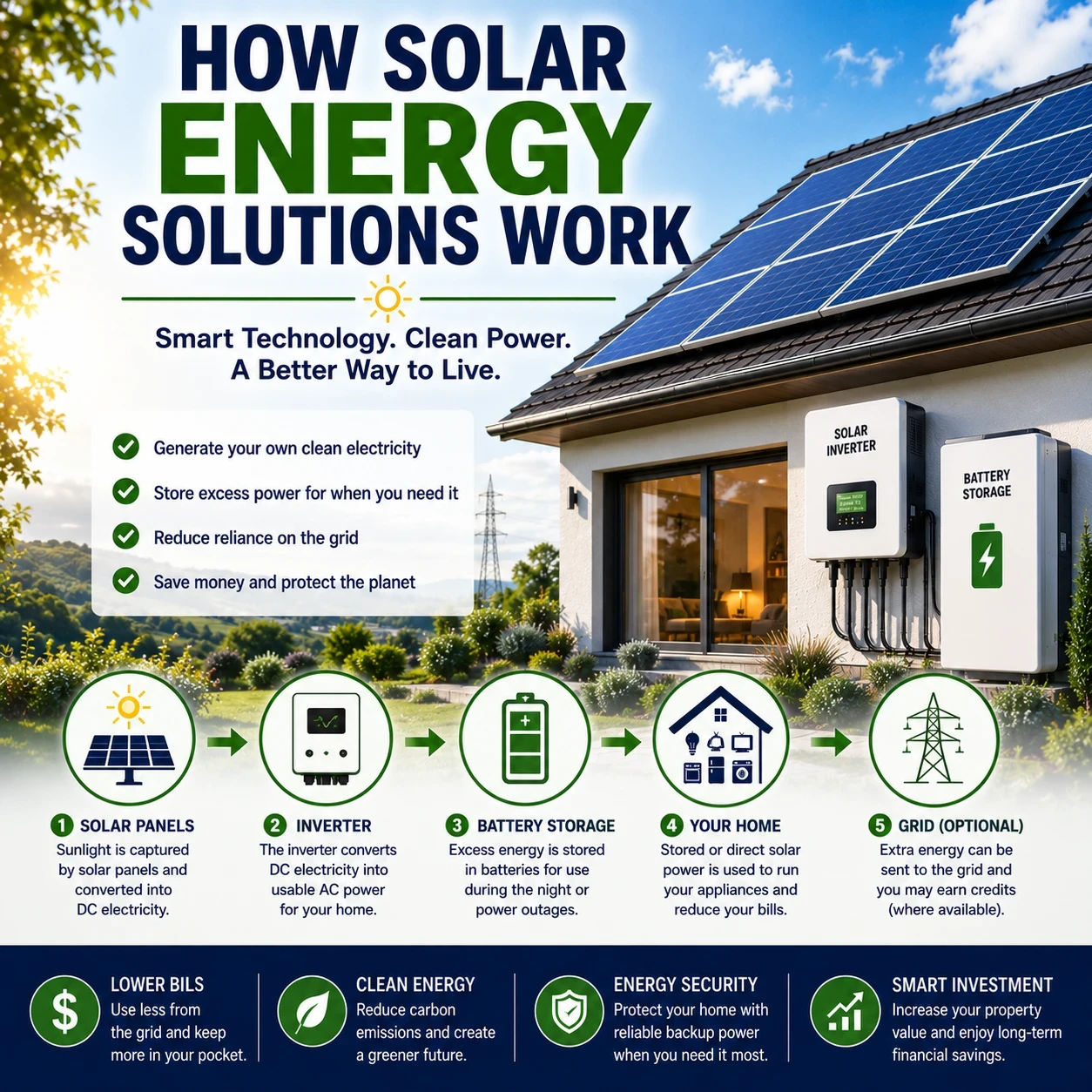
What Are the Best Solar Energy Solutions?
The best solar energy solutions combine several technologies that work together to maximise energy production and improve household efficiency.
Rather than focusing solely on solar panels, modern systems are designed to generate, convert, store, monitor, and intelligently manage electricity throughout the day.
A complete residential solar solution may include:
- High-efficiency solar panels.
- A quality solar inverter.
- Home battery storage.
- Smart energy monitoring.
- Electric vehicle charging.
- Backup power capability.
When these components work together, homeowners can reduce electricity costs while improving energy security and making better use of renewable energy.
Why More Homeowners Are Choosing Solar Energy
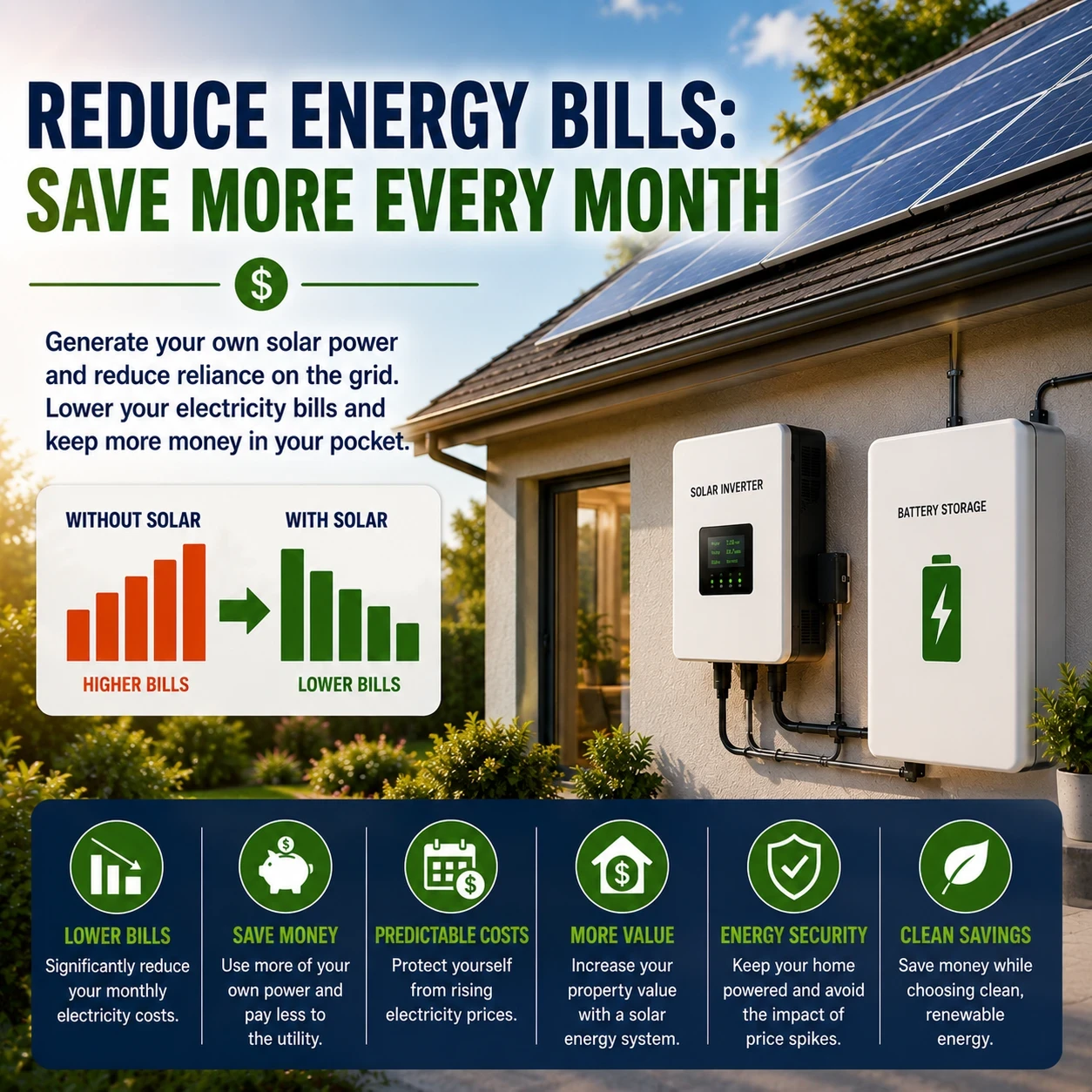
Electricity prices continue to fluctuate, making solar energy an increasingly attractive investment.
Producing your own electricity reduces the amount of power purchased from the grid and provides greater protection against rising energy costs.
Beyond financial savings, solar energy offers several additional benefits:
- Lower monthly electricity bills.
- Reduced carbon emissions.
- Greater energy independence.
- Increased property value.
- Reliable long-term performance.
- Minimal maintenance requirements.
Modern systems are designed to operate efficiently for decades, making solar one of the most valuable long-term improvements for many homeowners.
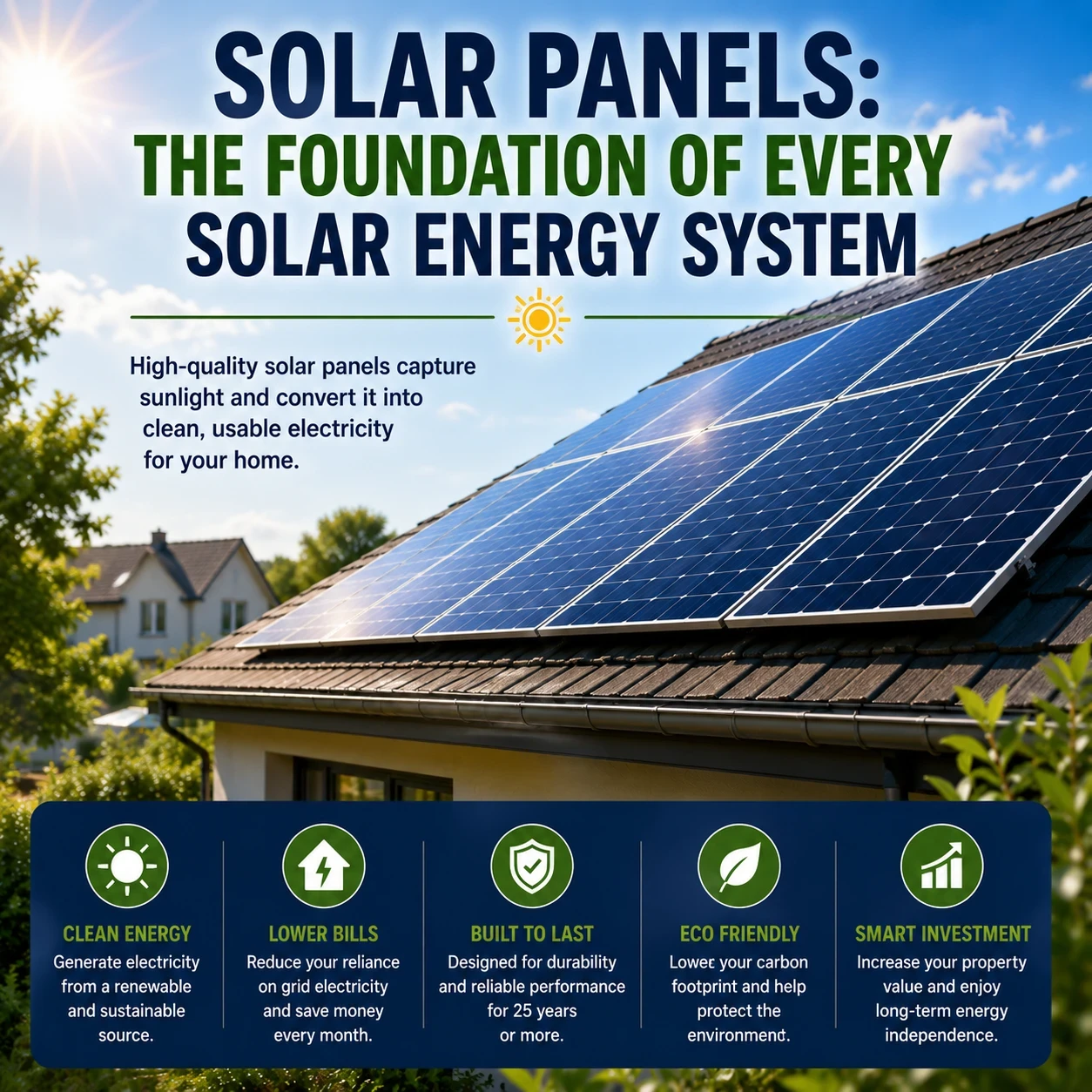
Solar Panels: The Foundation of Every Solar Energy System
Every solar energy system begins with photovoltaic (PV) panels. These panels convert sunlight into direct current (DC) electricity using photovoltaic cells made from semiconductor materials such as silicon.
As sunlight reaches the panels, electrons begin moving through the cells, generating electricity without producing emissions or noise.
Panel efficiency has improved significantly in recent years, allowing homeowners to generate more electricity from smaller roof areas than ever before.
If you’d like to learn more about residential installations, read our complete guide to Home Solar Systems.
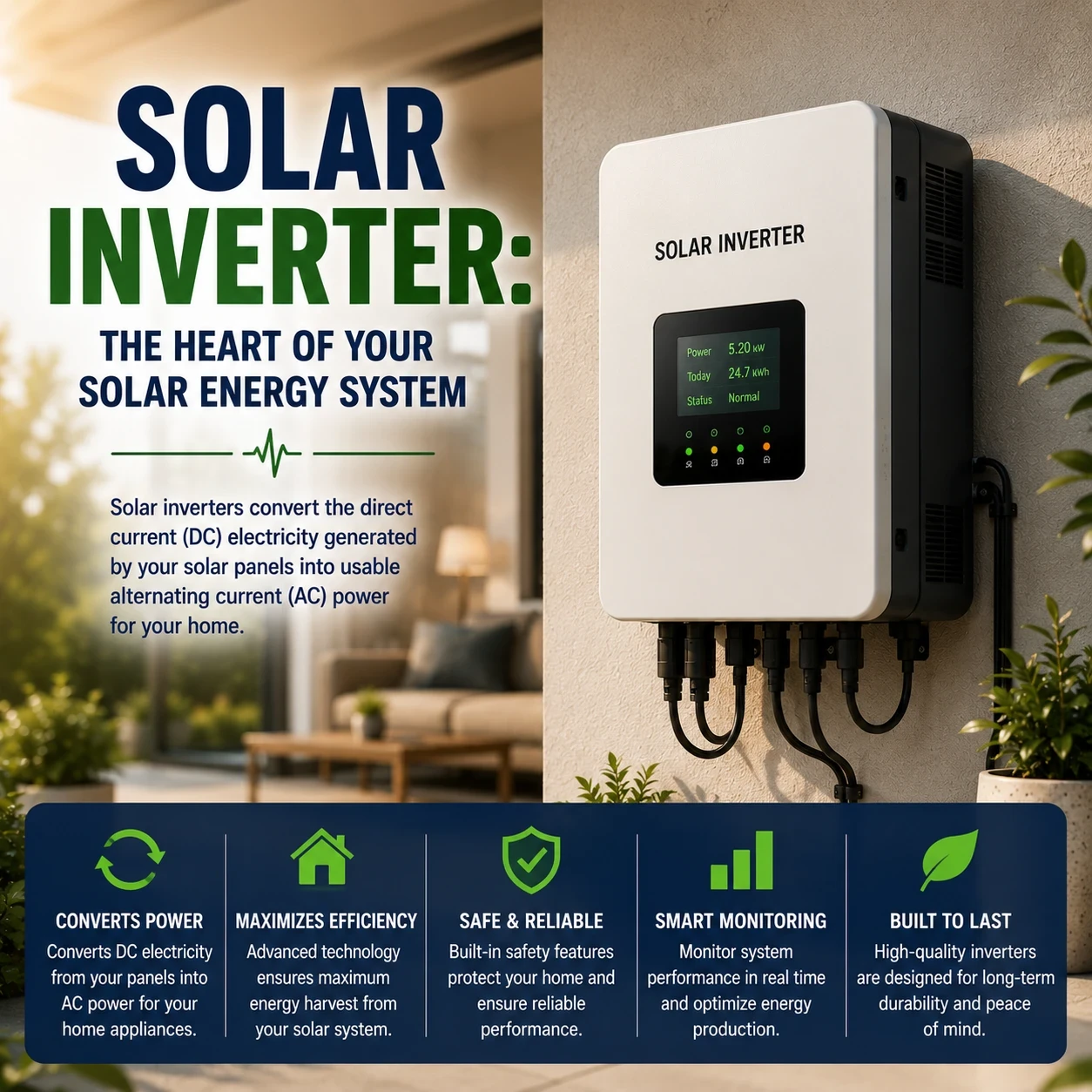
Solar Inverters: Converting Solar Power into Usable Electricity
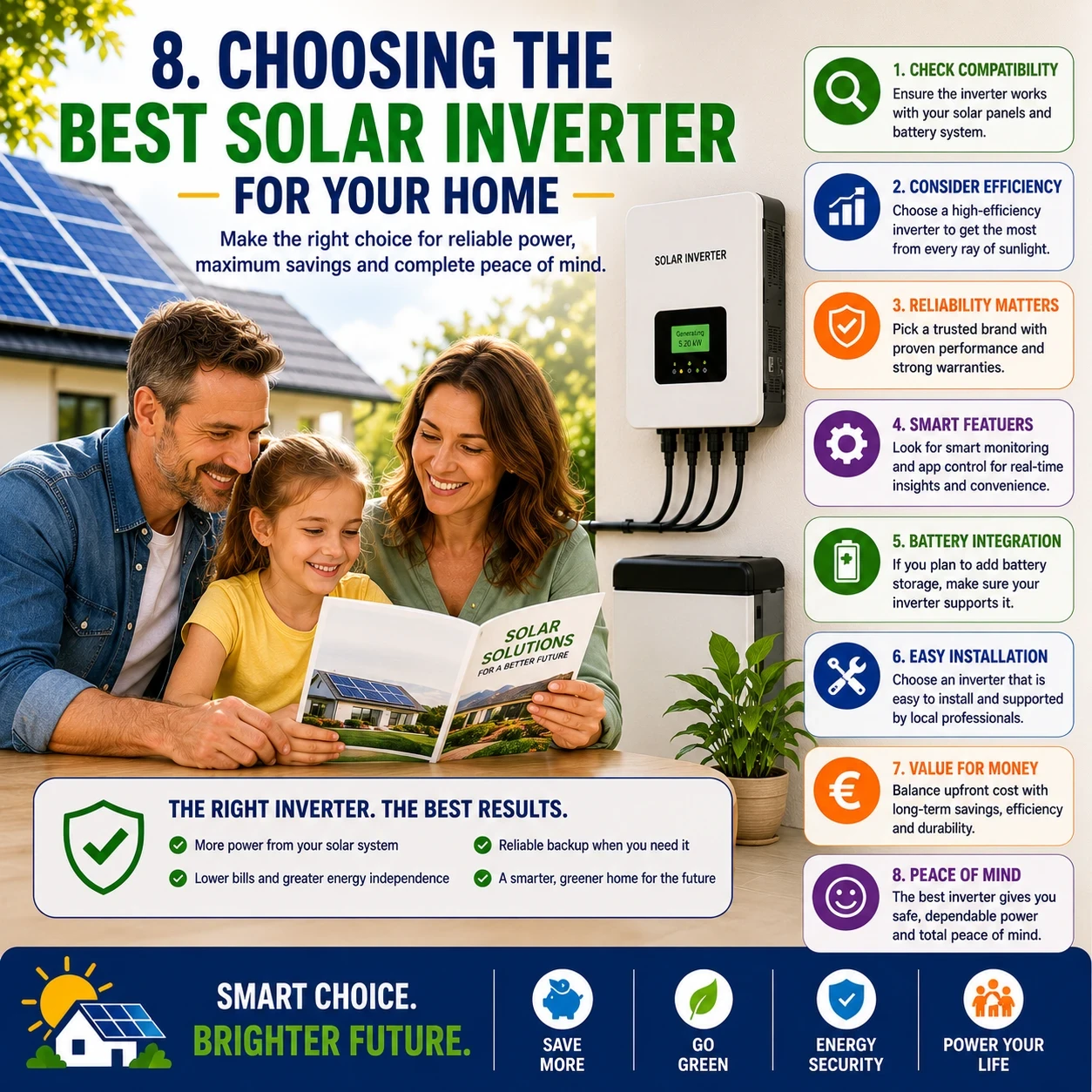
Solar panels generate direct current electricity, but your household appliances require alternating current (AC). This is where the solar inverter performs one of the most important roles within the entire system.
The inverter converts DC electricity into clean AC electricity that powers lighting, kitchen appliances, heating systems, televisions, computers, and many other everyday devices.
Modern inverters also monitor energy production, improve system efficiency, detect faults, communicate with battery storage, and provide real-time performance data through smartphone apps.
Our detailed guide explaining How Solar Inverters Convert Energy explores this process in much greater detail.
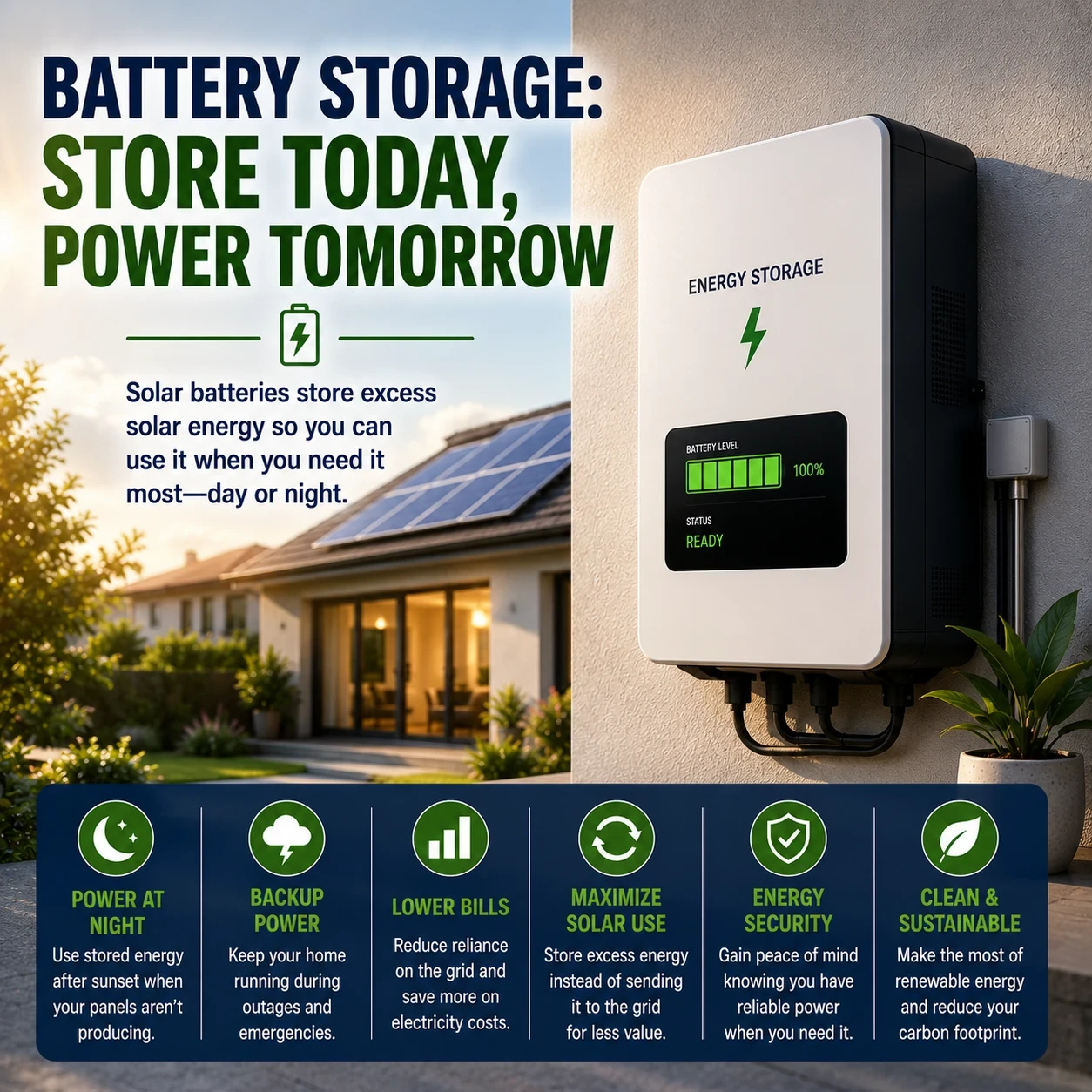
Home Battery Storage Maximises Solar Savings
One of the biggest developments in residential solar technology is home battery storage.
Without a battery, unused electricity generated during sunny periods is often exported back to the grid. With battery storage, surplus electricity can be stored and used later during the evening, overnight, or during temporary power interruptions.
Battery storage allows homeowners to increase self-consumption, reduce grid dependence, and make better use of the electricity generated by their own solar panels.
Learn more by reading our complete guide to Home Battery Storage Systems.
Hybrid Solar Systems Offer Greater Flexibility
Hybrid solar systems combine solar panels, intelligent hybrid inverters, and battery storage into one integrated solution.
Unlike traditional systems that immediately export excess electricity, hybrid systems automatically decide the most efficient way to use every unit of electricity generated.
Depending on your home’s energy demand, electricity can be used immediately, stored in batteries, or exported back to the grid.
This intelligent energy management provides greater flexibility while helping homeowners maximise the value of every kilowatt-hour produced.
Best solar energy solutions are helping homeowners reduce electricity bills, improve energy independence, and lower their environmental impact.
Thanks to advances in solar technology, today’s systems are more efficient, affordable, and reliable than ever before.
Whether you’re installing your first solar panels or upgrading an existing system, understanding the available options will help you choose the right solution for your home.
Modern solar energy systems do far more than simply generate electricity. By combining high-efficiency solar panels, advanced inverters, battery storage, smart energy management, and electric vehicle charging, homeowners can take greater control of their household energy while reducing reliance on the electricity grid.
Smart Energy Management Systems
One of the biggest advances in modern home energy technology is the development of smart energy management systems.
These systems monitor electricity production and household consumption in real time, allowing homeowners to make better use of every kilowatt-hour generated by their solar panels.
Using a smartphone app or online dashboard, you can see exactly how much electricity your system is producing, how much power your home is using, how much energy is stored in your battery, and whether any electricity is being exported to the grid.
Some systems can even schedule appliances such as washing machines, dishwashers, immersion heaters, and EV chargers to operate automatically when solar production is highest, helping maximise self-consumption and reduce electricity bills.
Charging an Electric Vehicle with Solar Power
If you own or are planning to buy an electric vehicle, pairing it with a solar energy system can significantly reduce charging costs.
Instead of relying entirely on grid electricity, excess solar power generated during the day can be used to charge your vehicle. Smart EV chargers communicate with your solar inverter, ensuring your car charges when renewable electricity is available.
Our guide to EV Chargers explains how home charging systems integrate with modern solar installations.
Portable Power Stations Add Extra Flexibility
Portable power stations are becoming increasingly popular for homeowners who want backup electricity without installing a permanent battery system.
They can power small appliances during power outages, provide electricity while travelling, support camping trips, or be recharged using portable solar panels.
Although they cannot replace a whole-home battery installation, they provide an additional layer of energy security for many households.
How Much Can You Save?
The financial savings from solar energy depend on several factors, including your electricity usage, roof orientation, local sunshine levels, and the size of your installation.
Homes that use more electricity during daylight hours generally benefit the most because they consume a larger proportion of the electricity they generate.
Adding battery storage allows surplus electricity generated during the day to be used during the evening, further reducing reliance on grid electricity and helping lower monthly energy costs.
Choosing the Right Solar Installer
Selecting experienced installers is just as important as choosing quality equipment.
A reputable installer should:
- Carry out a detailed site survey.
- Assess roof orientation and shading.
- Recommend the correct system size.
- Explain expected energy production.
- Provide clear warranties.
- Offer after-sales support.
Obtaining several quotations allows you to compare system specifications, warranties, equipment quality, and installation experience before making your decision.
Government Incentives and Grants
Many countries continue to encourage renewable energy through grants, tax incentives, low-interest finance, or export payment schemes for surplus electricity supplied back to the grid.
Available incentives vary by location and can change over time, so it is worth checking the latest programmes before purchasing a system.
Even where grants are unavailable, falling equipment prices and rising electricity costs continue to make solar energy an attractive long-term investment.
Common Mistakes to Avoid
Avoiding a few common mistakes can help you get the best performance from your solar energy system.
- Choosing the cheapest
- Going for quantity over quality
- Not checking out the installers reputation
- Not getting the right advice
If you’re just beginning your renewable energy journey, visit the Home Energy Systems homepage, where you’ll find practical guides covering every aspect of modern home energy technology.Frequently Asked QuestionsWhat are the best solar energy solutions for homeowners?
The best solar energy solutions usually combine high-efficiency solar panels, a quality solar inverter, home battery storage, smart energy monitoring, and, where appropriate, an electric vehicle charger.
Together, these technologies maximise energy production, reduce electricity bills, and improve energy independence.
Are solar panels enough on their own?
Solar panels generate electricity, but they work best as part of a complete energy system. Adding a high-quality inverter, battery storage, and smart monitoring allows homeowners to use more of the electricity they generate and reduce reliance on the grid.
How long do solar energy systems last?
Most solar panels are designed to produce electricity efficiently for 25 to 30 years or more. Solar inverters typically last 10 to 15 years, while many home battery systems have warranties ranging from 10 to 15 years depending on the manufacturer and usage.
Can solar power operate during a power outage?
Most standard grid-connected solar systems automatically shut down during a power outage for safety reasons. However, systems fitted with compatible battery storage and backup capability can continue powering selected household circuits.
Do solar systems increase property value?
Many buyers view professionally installed solar energy systems as an attractive feature because they can reduce future electricity costs and improve a home’s energy efficiency.Final ThoughtsChoosing the best solar energy solutions is about far more than installing solar panels. A well-designed system combines efficient panels, a reliable inverter, intelligent battery storage, smart energy management, and, where appropriate, electric vehicle charging to create a complete home energy solution.Every home has different energy requirements, so taking the time to understand your electricity usage and future plans will help you select a system that delivers reliable performance for many years.As renewable energy technology continues to improve, homeowners have more opportunities than ever to lower electricity bills, increase energy independence, and reduce their environmental impact. Investing in quality components today can provide long-term financial and environmental benefits well into the future.Continue Your Home Energy Journey
Explore more expert guides on the Home Energy Systems website, including:
Home Solar Systems- How Solar Inverters Convert Energy
- Home Battery Storage Systems
- Best Home Energy Systems